Mendlygo
A Practical Guide to Transforming Your Garden Space: From Soil to Style
Transform your outdoor area with practical gardening, inviting decor, and thoughtful home improvement ideas that bridge interior comforts with exterior charm.
Setting a Purposeful Outdoor Space
Turning a bare patch into a usable garden starts with a clear purpose. Consider how you want to use the space: a quiet reading nook, a family dining area, or a low-maintenance retreat. Start by mapping sun exposure, wind patterns, and existing trees to decide where seating, pathways, and planters should go. For those pursuing a cohesive look, weave in elements from interior decor to create a seamless flow between indoors and outdoors, guiding future planting and furnishing choices. Marginal Pond Plants ensure a gentle water feature can anchor the design without overwhelming it.
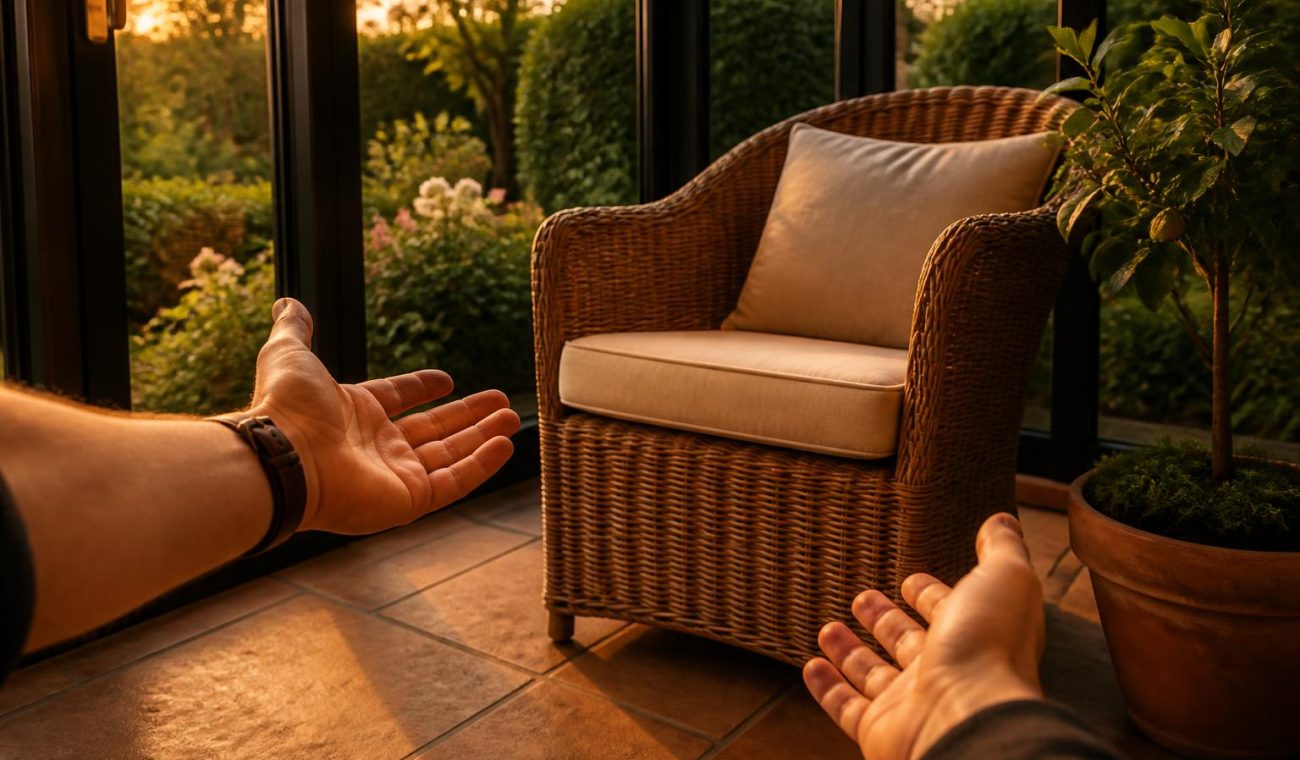
With a clear purpose, invest in quality basics that last. Durable seating, weather-resistant cushions, and sturdy planters form the backbone of outdoor rooms. Consider a color palette that mirrors your interior, enabling a harmonious transition when you open doors to the garden. Use permeable pavers to reduce runoff and a simple irrigation plan to minimize maintenance, aligning efficiency with aesthetics for sustainable home improvement outcomes.
Choosing Plant Communities for Year-Round Interest
A successful garden thrives on plant communities that offer texture, color, and seasonal rhythm. Start with foundational layers: low groundcovers, mid-height perennials, and vertical interest from shrubs or small trees. Selecting natives where possible supports local wildlife while reducing maintenance. Pair bright flowering varieties with evergreen structure to maintain visual interest through winter months, ensuring a steady cadence of color across seasons while you pursue ongoing gardening projects.
Integrate edible elements where space allows to connect horticulture with kitchen duty. A few compact herbs along a sunny border, plus perennials like rhubarb or currently thriving berries, can supply fresh ingredients while doubling as visual focal points. Group plants with similar water and light needs to simplify maintenance; a simple hose layout and mulching strategy will protect roots and reduce the need for constant attention throughout the year.
Water Features and Microclimates
Water features add movement and sound that elevate any outdoor scene. A small, self-contained fountain or pond can become the garden’s centerpiece, inviting wildlife and creating a tranquil retreat. Plan siting to minimize wind disruption and ensure accessibility for maintenance. Allocate electricity access safely and consider solar options for a greener approach, balancing beauty with practical constraints in your home improvement scheme.
Even modest water elements create microclimates that influence plant choices. A shaded pond edge can support moisture-loving marginal plants, while sunlit margins thrive with grasses and flowering species. Use gravel or stepping stones to define paths around the feature, reducing soil disturbance during cleaning. A routine for seasonal cleaning and netting in autumn preserves clarity and animal safety in your outdoor decor plan.
Lighting for Ambience and Safety
Outdoor lighting extends usability into evening hours and enhances security. Prioritize layered lighting: ambient fixtures along paths, task lighting by seating areas, and accent lights to spotlight sculptural plants or water features. Choose warm white LEDs for a cozy look and implement smart plugs or timers to automate schedules. Thoughtful lighting complements home improvement goals by making the garden inviting after sunset and preserving the interior mood when the door opens outside.
Practical considerations guide placement and type. Avoid glare by angling fixtures away from seating zones and ensure all cables are rated for exterior use. Low-voltage options simplify installation and reduce energy use while creating a soft, welcoming atmosphere. Regular checks before and after seasonal changes protect safety and maintain the desired decor aesthetic across the year.
Seating Zones and Flexible Layouts
Design seating areas with flexibility in mind, allowing for gatherings or quiet solitary moments. A modular sofa or a couple of benches with weatherproof cushions can be rearranged to suit different occasions. Consider a shaded corner with a small table for morning coffee or an evening wine perch, and ensure there is room to circulate around each piece without feeling crowded. The right layout integrates comfort with practical pathways for everyday use.
Textural variety enhances comfort and visual appeal. Use woven fabrics, rustic wood, and soft plant textures to evoke an inviting interior feel outdoors. Elevate the space with a nearby fire pit or heat-retaining stone wall to extend use into cooler months. A well-planned seating zone remains adaptable as family needs evolve, supporting ongoing home improvement goals and gardening passion.
Storage, Tools, and Maintenance Habits
Smart storage reduces clutter and promotes consistent care for your outdoor spaces. A weatherproof cabinet or dedicated tote keeps trowels, hoses, and soil enhancers organized, encouraging regular gardening sessions rather than sporadic overwhelm. Establish a simple seasonal routine: prune in early spring, mulch in late spring, and tidy in autumn. Consistency protects plants and reinforces a habit of mindful maintenance aligned with decor aesthetics.
Labeling containers and grouping tools by task speeds up maintenance and reduces errors. Implement a rain gauge and a basic compost area to promote sustainable practices. A small, shed-based workbench can host potting, seed starting, or propagation, turning maintenance into an enjoyable hobby rather than a chore, and supporting a refined approach to home improvement and gardening alike.
Color, Texture, and Finishing Touches
Color theory translates beautifully from interior to exterior spaces. Build a palette around a dominant neutral with splashes of seasonal color from flowers, foliage, and decorative planters. Use repeats of a single accent hue to unify furniture, cushions, and lighting fixtures. Texture adds depth: combine smooth ceramics with rough wood and airy grasses to create a rich, layered look that feels curated and intentional.
Finish with details that personalize the space. Choose decorative screens or trellises for vertical interest, integrate art or rustic ornaments, and introduce outdoor rugs that tolerate weather while anchoring seating. Decorative containers can mirror indoor planters, echoing decor motifs and reinforcing a cohesive, stylish garden that mirrors inside comforts and supports ongoing home improvement goals.
Optional Texture Scroll
- Introduce a small herb spiral or layered planter to maximize space and celebrate edible decor.
- Use container groups with varying heights to guide the eye and create intimate corners.
- Incorporate fabricable cushions with fade-resistant colors for long-lasting aesthetic impact.