Mendlygo
Creating a Low-Muss Environment: A Practical Guide to British Pond Plants and Water Features
A practical, step-by-step guide to selecting pond plants, including water lilies and marginal pond plants, for a healthy, low-maintenance garden pond.
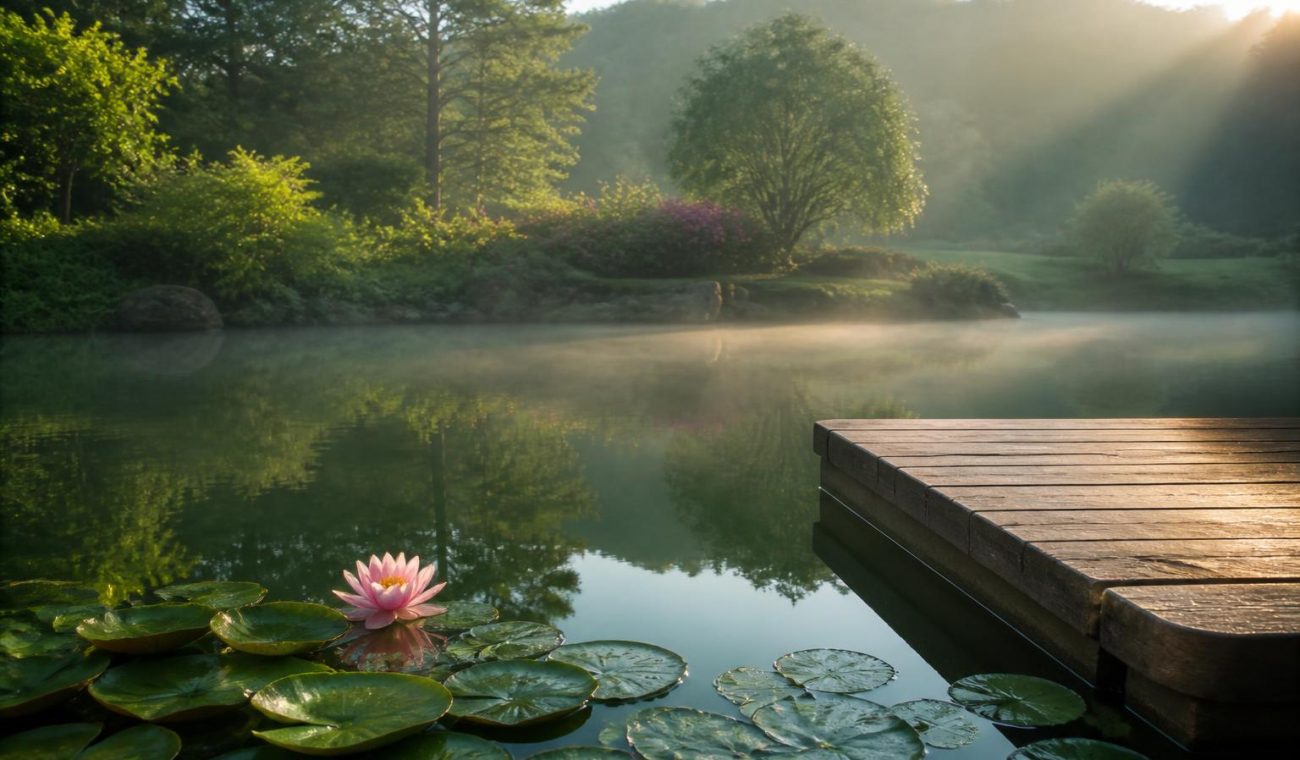
Choosing the Right Plants for a Balanced Pond
A well-planned pond begins with choosing the right mix of species for your climate and space. Consider a combination of rooted pond plant varieties that provide cover, shade, and habitat while keeping maintenance manageable. The goal is to cultivate a diverse yet cohesive planting scheme that reduces algae by shading the water and absorbing excess nutrients. For beginners and seasoned gardeners alike, starting with a practical list keeps the project grounded and achievable, even in small spaces. Marginal Pond Plants help diversify planting depth and texture, guiding you toward a robust display without overwhelming the ecosystem.
When planning, map out zones by depth: deep water for water lilies that require stable cool roots, mid-depth for emergent species, and shallow margins for marginal pond plants that enjoy sun and frequent wet feet. British pond plants often thrive with a gentle balance of sun and shade, so think in layers rather than uniform beds. This structured approach prevents crowding and makes maintenance simpler, especially in cooler or windier locales where evaporation and nutrient cycling behave differently than in sheltered yards.
Water Lilies: Focal Points and Care Tips
Water lilies are perennial stars that anchor the visual rhythm of a pond with broad leaves and fragrant blooms. Choose varieties that suit your climate, from hardy white and pink types to striking yellow cultivars, ensuring you select deep-water or mid-water forms based on your pond depth. Regular checks for root health, correct planter depth, and consistent feeding in growing seasons keep blooms abundant and foliage clean. Their rhizomes should be protected from frost when winter approaches to prevent sudden dieback.
Maintenance for water lilies includes trimming spent blooms and old leaves to reduce shade on algae-prone surfaces while allowing room for new growth. Use sturdy containers to minimize root escape and to manage nutrient intake. A modest feeding schedule with a balanced pond plant fertilizer will encourage compact root systems, resulting in sturdier plants that resist pest pressures and thrive year to year in British ponds with seasonal temperature swings.
Marginal Pond Plants: Soil, Depth, and Edging
Marginal pond plants fill the waterscape around the edges, where the soil remains consistently damp and the roots enjoy ongoing moisture. These plants tolerate boggy conditions and provide a natural transition from water to land, creating a lush border that deters weed incursion. Choose species with varying leaf shapes and colors to add texture, while ensuring you plant at the correct depth to encourage upright growth and prevent flattening by wind or rain. Regularly monitor the moisture gradient to keep roots happy and foliage vibrant.
For edging, mix compact marginal varieties with slightly taller varieties to form a layered effect that guides the eye along the pond’s contour. This approach also offers microhabitats for insects and amphibians, contributing to a healthier ecosystem. When selecting marginal pond plants, prioritize those known for resilience and local adaptability, so you invest once in robust specimens that endure British seasonal shifts without excessive intervention.
British Pond Plants: Native Appeal and Adaptation
British pond plants bring a sense of place, with hardy varieties that weather cool springs and damp autumns. Native or well-adapted cultivars reduce disease pressure and align with local rainfall patterns, minimizing the need for heavy irrigation. Incorporate a mix of dace-friendly flora and broad-leaved choices to create shelter for wildlife while maintaining water quality. Observing how these plants respond to seasonal changes offers practical insights into irrigation timing and nutrient management for your specific garden.
Seasonal maintenance becomes a ritual: cut back dead growth in late winter, divide clumps in spring to maintain vigor, and monitor plant density to control shading. The right selection of british pond plants helps stabilize the micro-ecosystem, supporting beneficial insects and small fauna that keep pest populations in check. With thoughtful planning, your pond remains a vibrant, low-maintenance feature that complements the surrounding garden rather than competing with it.
Seasonal Silhouettes: Color, Texture, and Movement
Seasonal color is a standout feature of a well-planted pond. Water lilies bloom in a range of hues, while marginal plants add greens, bronzes, and purples across the seasons. Design your planting to create continuous interest: early-spring shoots, peak-summer blossoms, and late-season foliage that persists into autumn. Consider evergreen marginal species for constant texture, then punctuate with flowering varieties for dramatic color bursts that don’t overwhelm the water’s surface.
Texture matters as much as color. Pair broad, glossy leaves with slender, grassy blades and rosettes of tight, compact growth. Movement from a gentle breeze across the water adds a dynamic element that makes the scene feel alive, even on cloudier days. By planning for winter interest through persistent foliage or seed heads, you maintain structure and identity across the colder months.
Designing for Wildlife and Low Maintenance
A garden pond should feel like a natural extension of the landscape, inviting birds, beneficial insects, and amphibians without inviting excessive maintenance. Plant selections that shade the water and trap sediments help maintain clarity, while deep-water zones support oxygenation and temperature stability. Create gentle margins that allow small animals to access the pond, ensuring your design supports local biodiversity without becoming a magnet for pests or debris accumulation.
Installation choices influence future upkeep: use durable liners, permeable edges, and simple filtration that reduces algae growth. A balanced plant mix reduces nutrient loads and stabilizes the ecosystem, letting you enjoy a tram line of life around the edges rather than constant cleanup. With careful planning, your pond becomes a sustainable feature that thrives with minimal intervention, offering a quiet, restorative focal point in the garden.
Maintenance Checklist and Troubleshooting
Establish a seasonal routine that aligns with your climate: inspect plants for disease, remove dead foliage, and adjust water depth as needed to support new growth. A simple schedule keeps nutrients in check and prevents overgrowth that would hamper oxygen exchange. Regularly test water quality and clear debris from the margins to maintain a home for beneficial microfauna and to avoid unsightly buildup.
When issues arise, diagnose through observation: pale leaves may indicate nutrient deficiency, while browned tips can signal stress from heat or salt spray. Adjust light exposure by moving potted plants or reshaping margins to reduce scorching afternoon sun. A well-documented maintenance log helps you prepare for seasonal transitions and ensures that your garden pond remains a serene, productive part of the landscape.