 Mendlygo
The Future of Moisture Measurement: What to Expect from MVTR Workflows
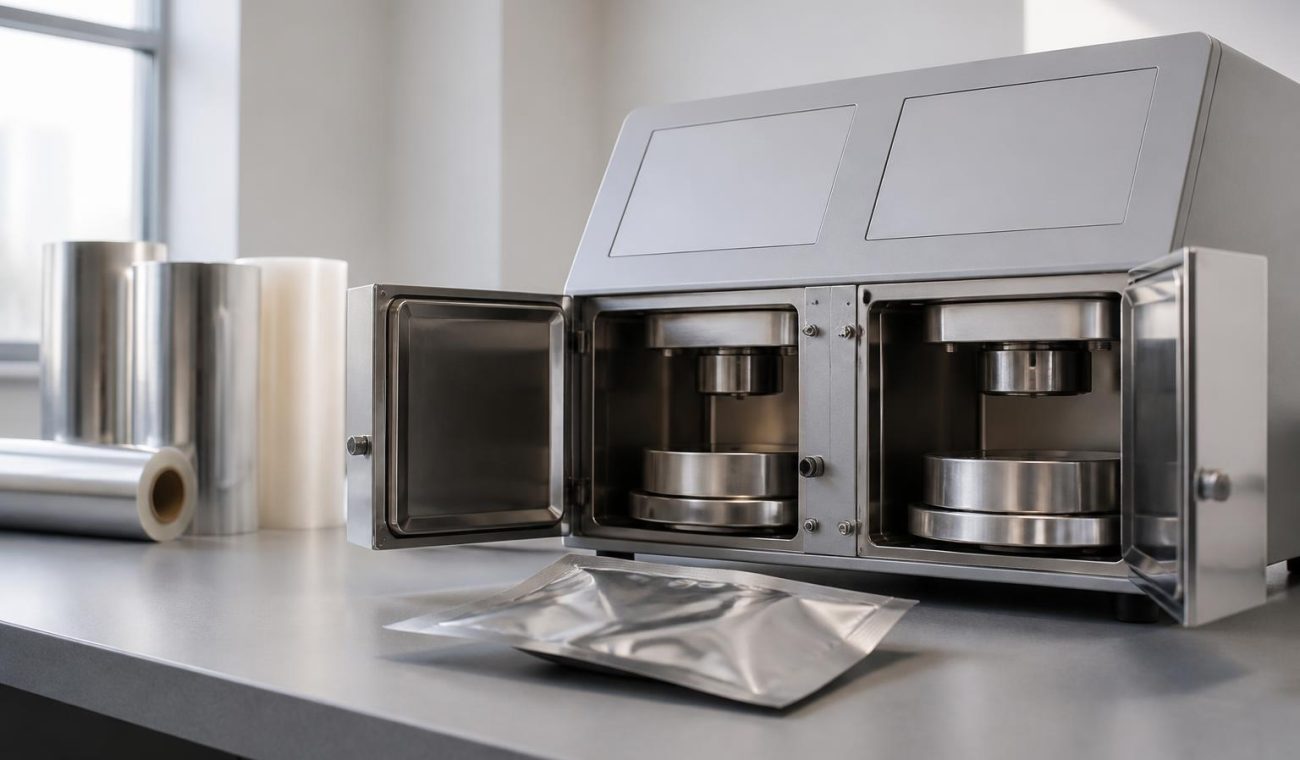
Introduction — a quick scene, a stat and a question
I was in a factory two months ago watching a roll of barrier film being unpacked while the supervisor muttered about batches failing at random — sound familiar? In that moment I thought about moisture vapor transmission rate, and how a single number can decide whether a product ships or gets sent back. Recent checks in similar plants show up to 12% variance between lab tests and in-line results (yes, that many). So where does that gap come from — and what should we change first? (I’ll get to the practical bits shortly.)
We tend to treat MVTR as a simple spec on a sheet. But in real life, substrate behaviour, edge sealing and the local humidity profile all meddle with outcomes. I’ve seen teams over-rely on old calibration routines and assume a one-size-fits-all approach will do the job. That usually backfires. Over the next sections I’ll explain where the traditional approaches trip up, what users quietly suffer through, and then point to practical ways forward — so you can avoid repeat rejects and wasted runs.
Where traditional solutions falter — the deeper problems
Why do tests keep missing the mark?
Let’s get technical for a moment: many labs still follow legacy methods for a water vapor transmission test without questioning sample handling or test boundary conditions. I’m convinced the main culprits are inconsistent sample mounting, poor humidity control and infrequent sensor calibration. These create bias. They also hide variability from production teams who then chase the wrong fixes. Look, it’s simpler than you think — small procedure slips add up fast.
Another issue: end users often underestimate the role of edge effects and package geometry. Permeability is not just a material property; it’s a system behaviour that depends on how films meet seals, how seams are pressed and where heat is applied. In practice, that means a film that tests fine in one lab may fail on the production line. We use terms like sensor array and desiccant in reports, but unless teams update protocols for real-world conditions, the numbers remain academic. I’ve pushed for routine cross-checks between lab rigs and inline sensors — and the improvements are tangible.
Looking forward: case examples and a future outlook
What’s next for testing and decision-making?
In one case I worked on, the team introduced a staged testing workflow: small-scale lab MVTR, then accelerated ageing, then an in-situ run with production humidity profiles. They repeated a water vapor transmission test at each stage and tracked divergence. The result? They cut shipment failures by nearly half within three months. That was not magic — it was about aligning test conditions with real use, improving calibration routines and paying attention to film handling. I felt proud to see engineering and quality finally speak the same language.
Going forward, I expect test workflows to become more integrated with production data. That means sensor arrays feeding live humidity and temperature info, and test labs running scenario-driven MVTR checks rather than single-point measurements. There will be a shift toward purpose-built rigs that mimic package geometry and seam stress. — funny how that works, right? The goal is to make permeability numbers reflect reality, not just lab idealism.
Here are three practical metrics I use when evaluating MVTR solutions: 1) Repeatability across different operators (do you get the same number if a different tech mounts the sample?), 2) Condition fidelity (how closely does the test mimic in-service humidity and temperature?), and 3) Diagnostics depth (does the system flag edge leaks, sensor drift and seal inconsistencies?). Use these to choose procedures and equipment that actually reduce rejects. I recommend teams run periodic cross-validations between lab rigs and production sensors — it pays off.
I’ve been hands-on with many of these improvements, and while the work isn’t glamorous, it’s effective. We can make testing less of a gamble and more of a strategy. For practical tools and support, I’ve seen reliable partnerships form around vendors who understand both test science and production realities — like Labthink. They don’t sell magic; they provide systems you can trust, and that matters when you’re shipping real products to real people.
→More from the desk
The Index → Garden
Creating a Low-Muss Environment: A Practical Guide to British Pond Plants and Water Features
 Home
Home
A Practical Guide to Transforming Your Garden Space: From Soil to Style
 Real Estate