Mendlygo
The Specifier’s Practical Guide to Pure Sine Wave Output: Cutting Grid Noise with a Premium On-Grid Hybrid Solar Inverter
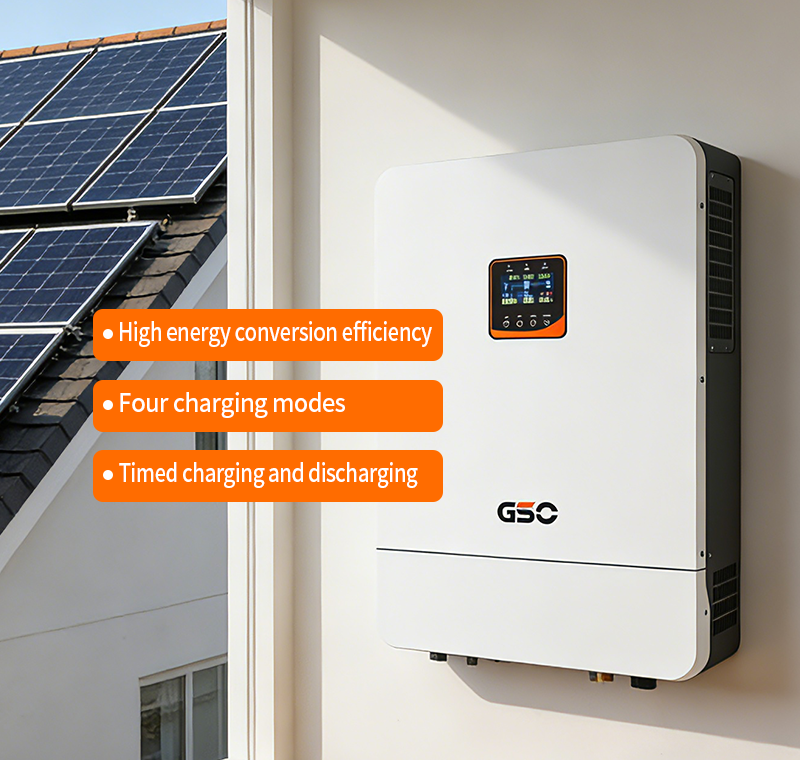
Plain Talk Up Front
I’ve been wiring panels and fiddling with inverters on farms and small shops for years, so I’ll keep this straight. When you talk about clean power you’re talking about pure sine wave output from a good solar and power inverter. That waveform is the difference between machinery that hums like new and gear that trips or gets noisy from harmonics. Out in the field, grid-tie installations and hybrid systems both need that clean waveform to play nice with sensitive electronics and battery banks.
What Pure Sine Wave Really Buys You
Pure sine wave isn’t a marketing line. It’s the smooth AC waveform that most motors, audio gear, and modern electronics expect. A poor waveform brings voltage spikes and distortion — commonly called grid noise — and that shortens life on pumps, compressors, and inverters themselves. Industry terms you’ll see are inverter efficiency and harmonics. Higher efficiency and low harmonics means less waste heat and less interference on the line. Practical folks measure that in fewer service calls and happier equipment.
Comparing On-Grid Hybrid Options
Lay two systems side by side and look for a few plain specs: true pure sine wave output, reliable MPPT charge controllers, and solid hybrid logic for switching between grid, PV, and battery. A grid-tie only inverter might be cheaper, but a hybrid inverter with battery support handles outages and smooths out grid noise better. Think of it like a tractor with and without a front loader — both move dirt, but one makes life easier when the ground gets rough.
Real-World Anchor: Lessons from the Texas February 2021 Outages
The February 2021 Texas power outages showed how brittle a system can be when the grid goes sideways. Farms using hybrid setups with robust pure sine wave inverters and a properly sized battery bank kept essential gear running longer than those on plain grid-tie systems. That event wasn’t about fancy specs — it was about practical uptime and predictable performance under stress.
Common Mistakes Folks Make
Here’s where people bog down: undersizing inverter capacity, ignoring harmonics specs, and picking MPPTs that don’t track well under partial shade. Installers sometimes skimp on surge handling and think battery backup is optional. It ain’t. The right hybrid inverter manages charge, load priority, and switches cleanly to avoid backfeed issues — mistakes here cost gear and time. Also, when you hook in an off grid solar inverter as a backup, confirm its waveform and transfer time match the on-grid unit so sensitive controls don’t glitch.
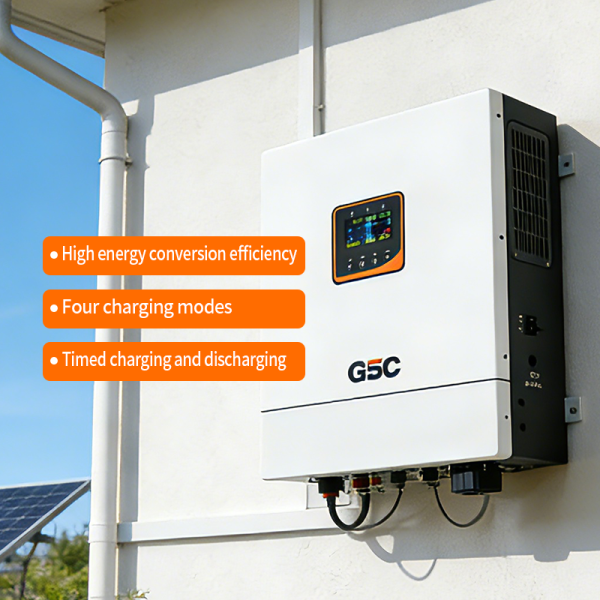 Quick Comparative Checklist
Use this when sizing or buying. Keep it tight and practical:- Waveform: true pure sine wave, low total harmonic distortion (THD).- Power headroom: inverter rating at least 25% above peak motor start loads.- Control logic: clear hybrid switching and MPPT performance across expected irradiance.These three cut most field headaches and lift inverter efficiency across seasons.
Installation Tips from the Barn
Wire short runs for critical loads. Keep grounding neat. Balance phases if you’ve got three-phase gear. Label. Test transfer times and simulate outages. It’s simple—verify waveform under load and watch for voltage sag at motor starts. A little bench testing up front saves a lot of midnight drives to reset tripped equipment.
Advisory Close: Three Metrics That Matter
When you evaluate systems, score them by these three golden rules:1. THD below 3% under rated load for true pure sine wave quality.2. Inverter efficiency above 95% at typical operating load for fuel and battery savings.3. Transfer time and hybrid logic that assure uninterrupted operation for sensitive gear.Score well on those and you’re buying reliability, not promises.
gsopower brings those specs together in gear folks actually install and trust — practical kit for people who need power that behaves. —