Mendlygo
Smart Landscaping and Indoor Gardening: A Practical Guide for Home Improvement
A practical guide to blending outdoor landscaping with indoor greenery, offering actionable tips for home improvement, interior decor, and thriving gardens.

Growing a Cohesive Outdoor–Indoor Environment
A well-designed exterior sets the stage for a harmonious home where interior and garden spaces feel connected. Start by evaluating your climate, sunlight patterns, and soil health to choose resilient plants that thrive with minimal fuss. Consider paths, seating, and focal points that invite movement between indoors and outdoors, creating a natural flow that supports everyday living and seasonal enjoyment. An accessible landscape elevates curb appeal while supporting a relaxed lifestyle with family and guests. electric hedge trimmer can streamline maintenance, enabling you to shape borders with precision and confidence.
Invest in durable materials and smart irrigation that reduce upkeep and waste. Use native plants to support local pollinators and balance water usage, pairing them with decorative elements like stone mulch and edible herbs for dual utility. A simple rule of thumb is to layer plant heights from back to front, which creates depth and allows easy access for pruning and seasonal cleanup. When the outside looks cared for, it inspires interior pride and a more intentional decorating mindset.
Choosing Plants That Complement Your Interiors
Plants that thrive in your outdoor space can echo the color, texture, and form found in interior decor, creating a cohesive home environment. Select a palette of foliage that complements your wall colors, furniture finishes, and textiles, then group specimens by height and texture for curated vignettes. Consider evergreen backbone plants for year-round structure, and seasonal bloomers to add color accents that inform your interior color choices. This synergy supports a calm, well-designed home aesthetic.
Pair fragrant herbs and flowering perennials with planters that reflect your interior style, whether minimalist, rustic, or modern. Durable containers in natural materials translate indoor design to the outdoors, making it easy to move plants when you reconfigure a room or patio. Regular pruning, deadheading, and soil amendments ensure robust growth, preventing leggy stalks and promoting healthier, longer-lasting displays that echo your decor sensibilities.
Practical Interior Gardening for Small Spaces
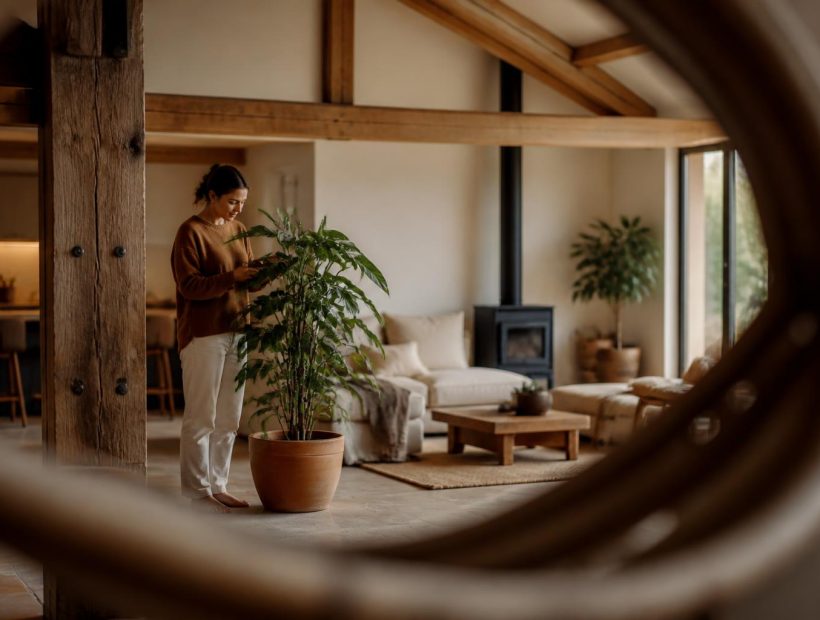
Interior gardening isn’t limited to windowsills; it extends to sunlit corners, balconies, and even stair landings where light is available. Use vertical planters, cascading baskets, and shelf-height containers to maximize growth without sacrificing floor space. Choose compact varieties like dwarf peppers, salad greens, and ornamental grasses that thrive indoors with consistent light and humidity. A thoughtful setup adds texture and life to rooms while supporting fresh, homegrown flavor.
Incorporate smart lighting, such as grow LEDs, to extend growing hours and stabilize plant cycles when natural light wanes. Pair these setups with moisture monitors and self-watering pots to reduce daily maintenance while preserving plant health. Regularly rotate planters to prevent uneven growth and to keep interiors balanced and visually engaging, enhancing both function and mood within living spaces.
Gardening as a Seasonal Ritual
Treat gardening as a recurring ritual that anchors your routine through the year. Plan vegetable beds in early spring with crop rotations that protect soil health, and layer ornamentals that peak at different times for continuous color. Maintain a simple calendar of pruning, fertilizing, and repotting tasks to avoid overload, ensuring steady progress rather than seasonal overwhelm. This disciplined approach yields sustainable yields and enduring satisfaction.
Seasonal rituals extend indoors as well, with fresh cuttings, dried floral arrangements, and herbal bundles that reflect outdoor changes. Use these moments to reassess decor elements, such as textiles and artwork, drawing inspiration from the garden’s evolving palette. A mindful rhythm between gardening and interior styling strengthens your sense of home as a living, changing space.
WaterWise Landscaping and Maintenance
Efficient watering starts with a simple circuit of drip irrigation and smart controllers that adjust to weather patterns. Group plants with similar water needs and mulch generously to minimize evaporation. Regularly inspect hoses, emitters, and rain barrels to prevent leaks and ensure consistent moisture delivery for healthy root systems. Hydration discipline pays off in stronger growth and reduced water bills over time.
In addition to irrigation, soil health matters. Test your soil every season to tailor amendments like compost, lime, or sulfur for pH balance and nutrient availability. A mulch layer reduces weed pressure and moderates soil temperature, improving plant vigor. When you invest in waterwise strategies, you gain a resilient landscape that supports both practical home projects and serene outdoor living spaces.
Seasonal Decor Transitions Between Inside and Out
Decorative themes should flow between interior and exterior spaces, allowing the same color stories and textures to migrate seasonally. Use outdoor-friendly textiles like weather-resistant cushions and throw blankets that mirror indoor fabrics for a cohesive look. Swap in seasonal accents such as gourds, lanterns, and evergreen arrangements to reflect the time of year while maintaining a consistent design language.
Focal points like garden sculptures, water features, or a striking plant group can guide interior styling choices, from lighting to wall color. An intentional transition between seasons keeps the home feeling fresh without a complete redesign. Consistency across spaces fosters a curated atmosphere that is both comfortable and adaptable to change.
Smart Tools and Security for a Thoughtful Home Garden
Modern tools reduce effort and increase safety while maintaining garden quality. Invest in a quality hedge trimmer, pruning shears, and a durable watering system, choosing models that fit your hand size and reach. Keeping tools organized in a dedicated shed or wall rack prevents clutter and extends their life. A well-equipped space encourages ongoing maintenance with less resistance and more momentum.
Security-minded habits protect your outdoor investments. Use motion lighting, sturdy gate closures, and visible storage to deter theft and discourage pest access. Regularly inspect fencing and gate hardware, addressing wear before it becomes a problem. A practical toolkit and secure storage translate to a calmer garden experience and more enjoyment of the home-improvement journey.
Texture and Rhythm in Two or Three Sections
- Combine gravel paths with brick edging for tactile contrast and durable underfoot paths that invite strolls through the garden.
- Inplanter combinations, pair ceramic pots with wooden chargers to create varied textures that echo interior furniture.
- Use a vertical wall garden in a shaded corner to introduce living texture without occupying floor space.