 Mendlygo
How a Fume Extractor Streamlines My Laser Engraving Workflow
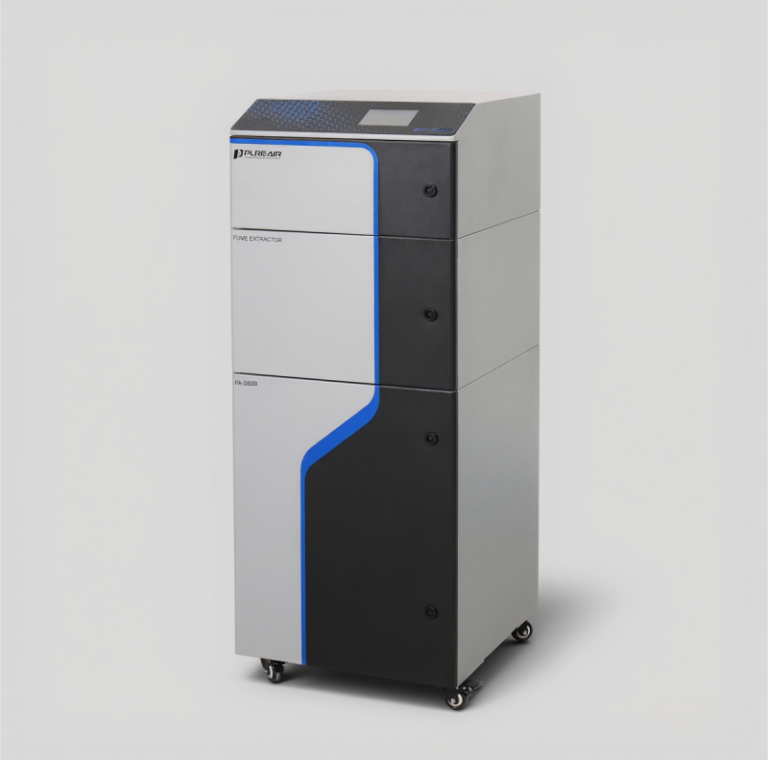
Introduction
Last month I was up late finishing a small batch of signs when the smoke and smell got to me — I had to step outside to clear my head. In that moment I promised myself I’d never ignore air quality again; a proper laser engraver fume extractor can turn a chaotic night into a calm, clean one. Measurements I’ve seen in workshops show particle counts and VOC spikes during engraving sessions, sometimes jumping several times above normal room levels (and yes — those numbers matter). So what actually makes a fume extractor worth the space and investment, and how do you pick one that fits a real hobbyist or a small shop? Let’s walk through that together, in plain terms, with a few real-world notes I’ve picked up along the way — and then dig into what trips people up next.
Deeper Problems: Why Traditional Exhausts Often Fall Short
When I started testing units, I focused on a core model: the fume extractor laser engraver. At first glance many extractors look fine. But underneath, common designs miss the mark. Fans with low airflow rate, cheap activated carbon stages, and undersized ducting can’t keep up with heated plastic off-gassing or fine particulates. The result? You still smell chemicals, and the workshop gets dusty. From a technical angle, poorly matched fan curves and high static pressure in flex ducting reduce capture efficiency. I’ve watched units that advertise “high CFM” choke when coupled to narrow hoses — and that’s where people feel betrayed.
Look, it’s simpler than you think: capture at the source matters most. Extraction hood shape, proximity to the cut line, and suction (measured in Pa or inches of water) decide performance more than a flashy LED display. Also — and this surprised me — filter selection is often an afterthought. A unit with only a particle filter will not adsorb VOCs; one with cheap carbon won’t hold up to continuous acrylic work. Those are the design gaps I keep seeing in entry-level systems.
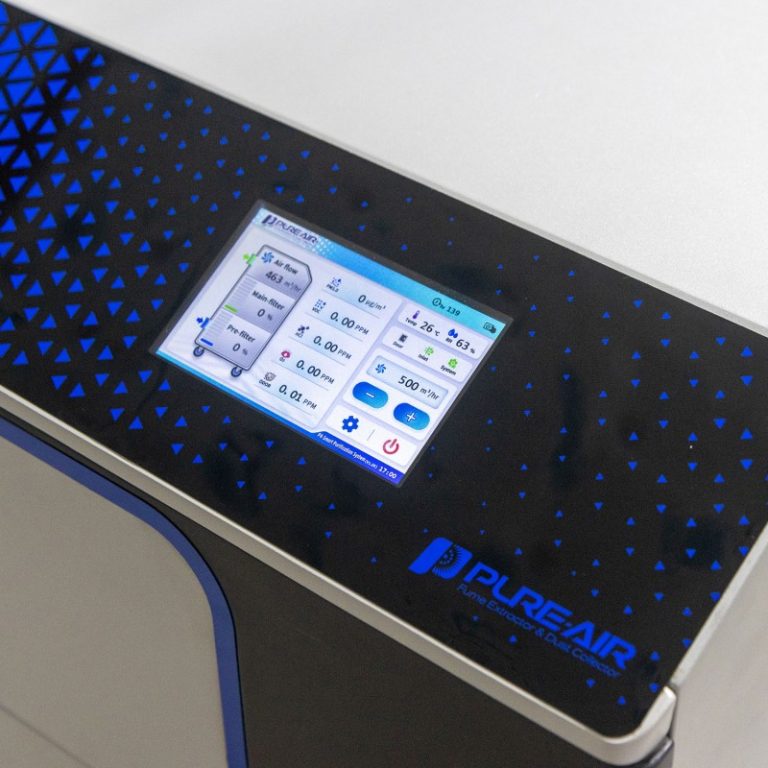 So what breaks first?
Filters saturate. Fans overheat. Noise gets worse. Users get frustrated. And then the extractor sits unused.
Forward-Looking Fixes: Principles and Practical Picks
Moving forward, I look for systems built around a few modern principles. First: balanced airflow — a blower and ducting sized to keep laminar capture at the engraving head. Second: staged filtration — a pre-filter for particulates (HEPA or high-MERV), then an activated carbon bed sized for VOC adsorption, and optionally a final HEPA polish. Third: monitoring — simple VOC sensors or airflow meters tell you when maintenance is due. When I test a fume extractor laser engraver now, I check those three things first. They separate devices that work from those that just look good on paper.
What’s next? I expect smarter, quieter units with adaptive fan speed tied to VOC sensors and washable pre-filters to become standard. Real-world deployments show big wins: lower particle counts, less smell, and longer filter life. — funny how that works, right? For a small shop, the difference is not just comfort; it’s health and compliance when clients visit. I’ve had friends switch from DIY setups to compact, certified units and note immediate air quality improvements — honest impact.
How to evaluate options
I want to leave you with three concrete metrics I use when choosing and advising others: 1) Capture efficiency at the source (does the hood and suction reach the cut line?), 2) Effective filtration capacity (HEPA rating plus carbon bed weight or surface area), and 3) Usable airflow under system pressure (actual CFM with your ducting, not a free-air spec). Factor in noise and serviceability too — filters you can swap without tools keep systems in use.
I’ve written this from hands-on experiments and shop chats. I care about clean air — and I want you to spend your money on gear that actually helps. For kit that nails the basics, check makers who pair real filter specs with clear airflow numbers. For me, that clarity and build quality is why I point people toward trusted lines like PURE-AIR.
→More from the desk
The Index → Garden
Creating a Low-Muss Environment: A Practical Guide to British Pond Plants and Water Features
 Home
Home
A Practical Guide to Transforming Your Garden Space: From Soil to Style
 Real Estate