 Mendlygo
Why Adaptable Infrared Beds Will Shape How We Heal and Recover
Introduction
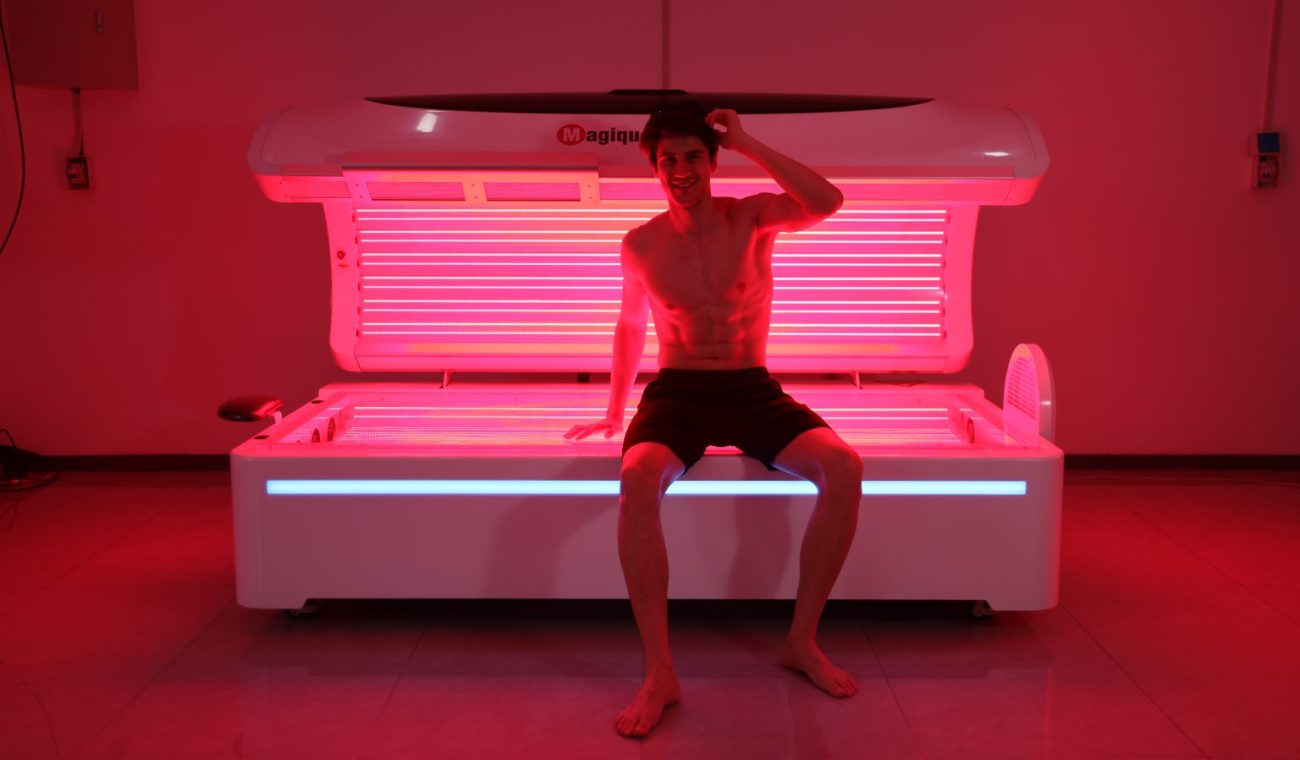
Have you ever wondered if the gizmo on the clinic floor really fits the person lying on it? In many of our clinics and homes these days, infrared beds are becoming common — people swear by them for recovery, warmth, and skin work. I’ve seen figures showing steady uptake (usage up by double digits in several markets), and that makes me ask: are we using the right designs, or just the most marketed ones? Ja, there’s data and then there’s real life — they don’t always match. So let’s look, calmly and a bit sharply, at where the promise meets the pain — and why that gap matters for patients and clinics alike. Next, I’ll dig into what’s actually going wrong with the old approaches and what we should demand instead.
Hidden Flaws in Traditional Solutions
Why does standard tech fall short?
I’ll be blunt: many beds labeled as therapeutic are built around cost and shelf appeal rather than physiological fit. When you search for led red light therapy beds for sale, most sellers flaunt visuals — rows of LED arrays, bright specs — but they gloss over key engineering details like wavelength control and thermal management. That matters because the body responds differently to specific wavelengths and temperature ranges. Look, it’s simpler than you think — mismatched wavelengths or poor heat sinks can mean results are inconsistent. I’ve inspected units where power converters were underspecified, so output sagged under load; that’s not a small oversight. It affects treatment time, user comfort, and ultimately outcomes. — funny how that works, right?
Another point: user experience is often an afterthought. Controls are generic, there’s little personalization, and maintenance is a headache (LED arrays dim irregularly). From my view, the real pain isn’t just the devices; it’s the workflow they impose on therapists and patients. Edge-case patients — frail elders, sensitive skin types — get short-changed because one-size-fits-all settings dominate design. I want tech that adapts: variable intensity, targeted wavelengths, and smarter thermal profiles. Those are the directions that make clinical sense, not just marketing copy. I’ve tested units that claim “full spectrum” but lack precise radiant flux tuning; results were all over the place. So we need to move past glossy pictures and ask the right questions before purchase.
 New Principles and Future Outlook
What’s Next?
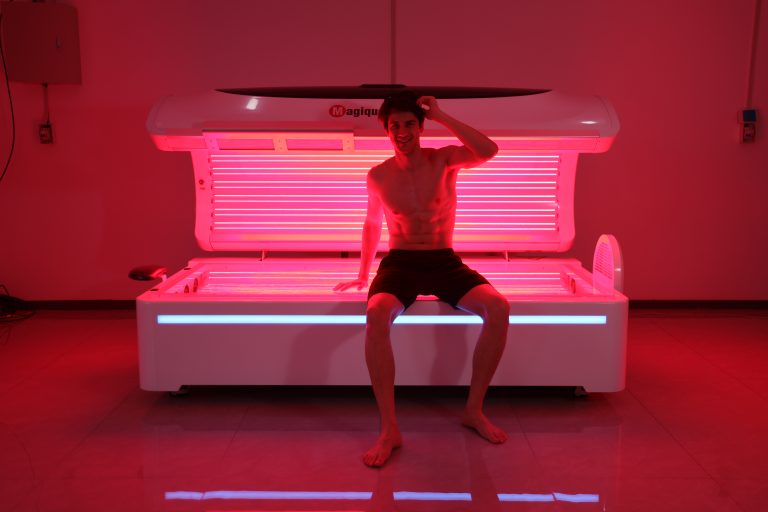
Looking ahead, we should design infrared beds with control systems that treat therapy as a parameter set, not a dial. When I talk about new principles, I mean modular LED arrays with selectable wavelengths, robust feedback loops for temperature, and thoughtful ergonomics. Manufacturers could expose simple profiles — recovery, skin rejuvenation, pain relief — each tied to tested wavelength bands and timed cycles. That’s the core: predictable, repeatable responses. I often think of it like tuning an instrument. If you mis-tune, the song suffers; same with photobiomodulation. And yes, we’ll need better specs on power converters and thermal control so units run reliably under real-world use (not just in lab conditions).
On a practical note, buyers should test units in situ and ask for data — not slogans. When searching for led red light therapy beds for sale, request emission spectra, expected luminous decay, and maintenance plans. I recommend three metrics to guide decisions: spectral accuracy (matching therapeutic wavelength bands), thermal stability (consistent skin-surface temps during sessions), and serviceability (modular parts and clear replacement pathways). Use those as a checklist — they’ll save time and money. In closing, if you want a unit that truly helps people, insist on measurable specs and flexible controls. We owe patients dependable outcomes, not surprises. For providers and buyers interested in practical, well-specified solutions, I look to innovators like Magique Power who publish clear data and stand behind their systems.
→More from the desk
The Index → Garden
Creating a Low-Muss Environment: A Practical Guide to British Pond Plants and Water Features
 Home
Home
A Practical Guide to Transforming Your Garden Space: From Soil to Style
 Real Estate