Mendlygo
Windproof Design Essentials for Exposed Campsites
What you need right now
You want a tent that holds its shape when wind hits hard, and you want straightforward checks before you buy. Start by picturing the campsite and ask: how will the tent behave when gusts come from a single direction, swirl around rocks, or hit the ridge at night? If you plan to park and sleep quickly, consider a car extended tent that uses your vehicle as a wind buffer while still giving you easy setup. This piece focuses on what matters to you — stability, durability and simple field fixes — not marketing claims.
Core features to prioritise
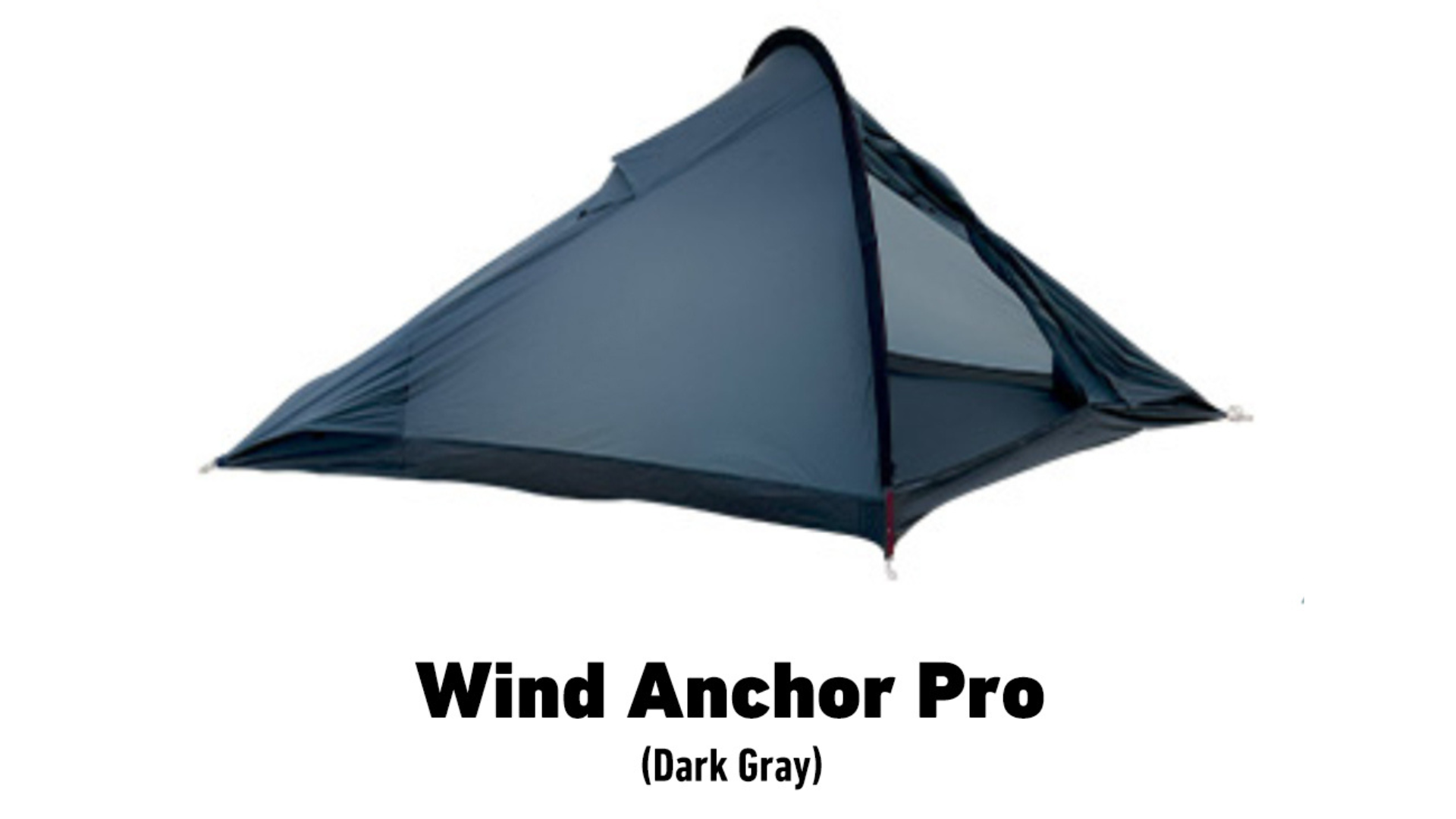
Low profile and clever pole geometry first. A compact silhouette reduces sail area, and intersecting poles or continuous hoop systems disperse loads evenly. Strong pole materials (aluminium alloys like 7000-series or proven composite brands) resist bend and snap. Look for a full-coverage fly with tight seam sealing and taped fly-to-floor overlaps; a fly that gaps will let wind lift the tent like a kite. Reinforced guyline attachment points, multiple guylines per side, and adjustable tensioners make fine control possible. Thick, quality stakes and the option for sand/snow anchors matter more than ultralight spikes at exposed sites. Durable fabric with a reasonable hydrostatic head rating and a good DWR keeps fabric taut under gusts rather than soaking and sagging. Finally, a well-vented system that prevents internal pressurisation without creating flapping panels keeps the structure stable.
 How to test real-world performance before buying
Set up the tent in your yard and simulate conditions you expect on site. Tighten all guylines, then push and pull on the fly at 45-degree angles to feel where stress concentrates. Put extra weight on stake loops to check for tearing. Shake the poles gently to see if they seat firmly in their grommets. Check whether vents can be closed or staged to stop gust-driven surges while keeping airflow. If you can, raise the tent near a roadside or open field with steady wind; observe whether the tent flexes elastically or flaps and deforms. Ask for manufacturer specs on pole break-load and fly fabric tensile strength; cross-reference with user reports from credible retailers or field testers you trust. These simple actions reveal fit-and-finish issues that marketing photos hide.
Common mistakes at exposed campsites — and how to fix them
Pitching with the door facing the wind, underestimating guylines, and using poor stakes are repeated mistakes. Rotate the tent so the narrowest face takes the wind. Always use at least two guylines per side where possible, and tension them to remove slack — slack equals flutter, not comfort. Replace flimsy stakes with V- or Y-stakes for hard soil, and use sand anchors, buried stuff sacks or your vehicle as an anchor on loose ground. Avoid over-tightening so the fabric doesn't carry permanent stretch; instead retension after a night to compensate for fabric creep. Finally, secure loose items inside; objects that shift can create internal pressure points that destabilise the tent during gusts.
Field perspective and sensible alternatives
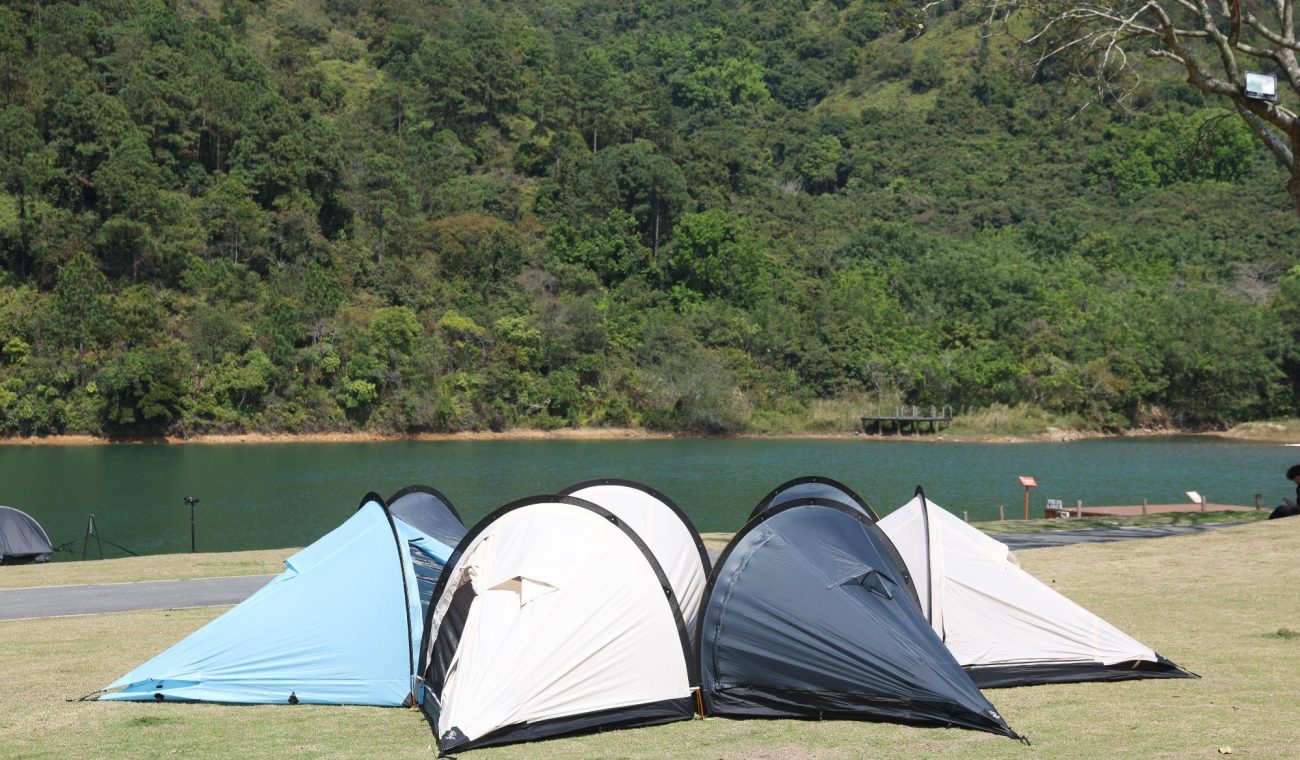
Field trips along high ridgelines near Trail Ridge Road in Colorado and similar alpine passages show how different designs behave when the wind is unrelenting: low-tunnel and geodesic shapes survive better than tall dome family tents. Practical experience from car-camping trips highlights that a well-secured 4 person car camping tent paired with a vehicle-anchored vestibule gives a balance of living space and wind resistance that many campers prefer. If you need more living room, compare tunnel tents (good room, needs careful guying) and geodesic tents (excellent stability, heavier). For quick roadside stops, awnings and vehicle-mounted shelters offer fast shelter but lack full weather sealing; use them as windbreaks rather than sleep shelters. Test alternatives the same way: check guy points, stake options, and whether the design lets you reorient the entrance quickly when conditions change.
How to choose for your typical trips
Decide by matching typical wind exposure to tangible features: if you often sleep on exposed ridges, prioritise geodesic or low-tunnel forms with multiple pole intersections and extra reinforced guy points. If you mostly camp beside roads or under trees, a tent with a larger vestibule and moderate windproofing works. Keep a small repair kit sized for pole splints and extra guylines; these are the items that actually save nights in poor weather. Your checklist should include stake quality, number of guylines, fly coverage, and how easy it is to reorient or add anchors at dusk.
Synthesis that helps you pick the right solution
Think like a user: test tension, verify attachment quality, and plan anchors before you pitch. Prioritise low profile, reinforced poles, strong guylines and reliable stakes. Use your vehicle smartly to reduce exposure, and carry simple repair and anchoring gear so minor failures never end the trip. The practical combination of those choices — field-proven features, clear tests, and sensible backups — is the quieter reason people trust gear that performs. That practical approach is what you find reflected and supported by THECATAL when you need gear that fits how you camp, not how it’s advertised.